
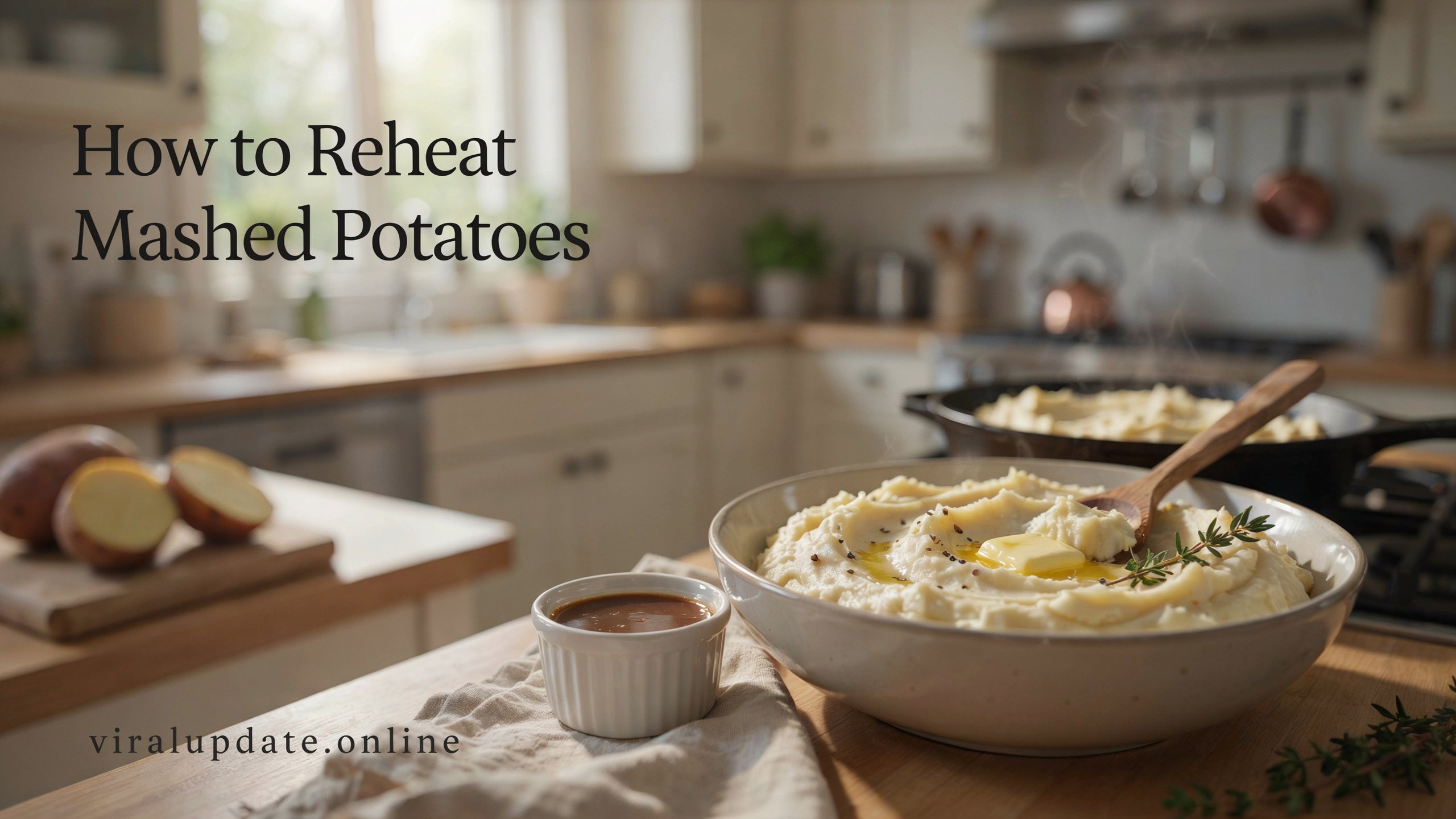
This is especially true with leftover mashed potatoes after family dinners, holiday meals and weekend get-togethers. Okay, freshly made mashed potatoes are creamy and smooth and dreamy, but the refrigerator leftovers get thick and dry or lumpy. Even better, once you understand how to reheat mashed potatoes correctly you can make them smooth and tasty again.
Whether your goal is to be reheating one portion for lunch or reheating a whole tray from the Thanksgiving leftovers, the right way makes all the difference. Honor those leftovers with a little butter, milk or cream and some very gentle heat — your potatoes could taste almost like fresh again.
This guide includes the best reheating methods, common pitfalls to avoid, storage tips and insider information so you can have creamy mashed potatoes every time.
Why Mashed Potatoes Become Dry After Refrigeration
Nothing about storing mashed potatoes is easy because they fail to hold their texture.
Moisture Is Lost
The same would happen when potatoes have cooled, which turned drier and makes it thicker rather than creamy.
Butter Hardens
Cold masher root solidifies butter into a cold little ball; mashed potatoes feel harder than it should.
Starch Firms Up
The potato starch continues to absorb moisture while in storage for a denser texture.
Fortunately, these changes can be undone quite easily with the appropriate reheating technique.
Best Ways to Reheat Mashed Potatoes
The manner in which you would like reheating will depend entirely on how much you’re reheating!
Microwave Method
The microwave remains the fastest option for single or double portions.
Steps
Add the mashed potatoes to a microwave-safe bowl.
Stir in 1 to 2 Tablespoons of milk or heavy cream.
Add a small piece of butter.
Loosely cover with a microwave-safe lid, or damp paper towel; they get too dry.
Microwave for 1 minute.
Stir well.
Heat in 30-second increments until heated through.
This process typically takes around 2 to 3 minutes.
Stovetop Method
Stovetop is preferred by many home cooks as it gives the creamiest texture.
Steps
Put the mashed potatoes on a pot.
Add some milk, cream, or chicken stock
Heat over low heat.
Stir frequently.
Add butter if needed.
Serve once heated through.
Slow cooking prevents the potatoes from sticking or getting sticky.
Oven Method
Ideal for family dinners or reheating holiday leftovers in the oven.
Steps
Set the oven to 350°F (175°C).
Spoon the potato mix into a baking dish that can go in the oven.
Mix in butter and milk.
Cover tightly with aluminum foil.
Bake for 25 to 30 minutes.
Stir halfway through cooking.
This way the potatoes heat up evenly.
Slow Cooker Method
Because a slow cooker lends itself beautifully to parties and holiday dinners.
Steps
Add the mashed potatoes into a slow cooker.
Stir in butter and warm milk.
Cover with the lid.
Cook on Low for 2 to 3 hours.
Stir every 30 to 45 minutes.
A slow cooker works magic to keep mashed potatoes warm until serving time.
Ingredients That Help Restore Creaminess
When you reheat, adding a few drops of liquid is what makes it more pleasant to the texture.
Milk
Moisturizes without altering flavor
Heavy Cream
It adds more depth and creaminess of texture.
Butter
Adds both flavor and creaminess.
Sour Cream
Shifts mashed potatoes from merely creamy to borderline decadent with a hint of sour.
Cream Cheese
A popular option for holiday mash due to results in a silky texture.
Chicken Broth
Adds moisture while contributing additional umami flavor.
Tips for the Best Results
Reheat Slowly
Using low heat to avoid drying the potatoes.
Stir Often
Frequent stirring distributes heat evenly.
Add Liquid Gradually
Which means you start with a little and add more if you need to.
Taste Before Serving
Season with salt, pepper, butter or fresh herbs if needed.
Reheat Only What You Need
Heating small portions ensures that you keep the quality of the remaining leftovers.
Common Mistakes to Avoid
Using High Heat
Hot temperatures will turn mashed potatoes dry and gummy.
Forgetting to Add Moisture
But he always adds a splash of milk, or butter or cream before reheating.
Overmixing
Excessive stirring can also release starch, creating a gummy texture.
Uneven Heating
There are often cold spots, so remember to stir between cycles in the microwave.
Reheating Multiple Times
Microbial growth is inhibited but flavor and texture are affected with reheating.
Storing Remaining Mashed Potatoes
Proper storage will help retained the freshness of the leftovers.
Refrigerating
Cool for two hours after cooking.
Store in an airtight container.
Keeps for 4 days in the fridge.
Freezing
Use freezer-safe containers or bags.
Freeze for up to two months.
Alternatively, thaw in the refrigerator overnight and reheat before serving.
How To Reheat Frozen Mashed Potatoes
Yes. If properly handled, frozen mashed potatoes do warm up very well.
For the best results:
When applicable, always defrost in the refrigerator overnight.
If using cream or milk, add right before steaming.
Gently warm on the stovetop or in the oven.
Stir occasionally until smooth.
Real-World Example
Jessica — from Ohio, of course — made some homemade mashed potatoes for her Thanksgiving dinner. Post the festival she put the remnants in a sealed jar and kept it in chilled surroundings overnight.
The following evening, she heated the potatoes in a pan on the stovetop with a little whole milk and one tablespoon of butter over low heat. She stirred them occasionally until they were smooth and creamy again.
It was reported that the family thought the mashed potatoes were nearly as fresh as they had been on Thanksgiving Day. She always makes use of delicate heat with a bit bit of moisture to keep away from dry or gummy leftovers.
The Advantages and Disadvantages of Reheating Mashed Potatoes
Pros
Saves Time
Cover any leftovers and they can be served from the fridge a few minutes later.
Reduces Food Waste
We have cooked quite a variety to get the most out of what you prepare by reheating some meals.
Budget-Friendly
As you mentioned, using leftovers is a great money saving technique to prevent waste.
Restores Creamy Texture
When even properly reheated brought the lost softness and flavor back.
Works with Multiple Methods
Microwave, stovetop, oven or slow cooker.
Cons
Texture May Change Slightly
Refrigerated potatoes never quite mimic the freshly made.
Requires Added Moisture
Culling any bits of leftovers require milk, butter or cream.
Can Become Gummy
It crushes the texture if you do it at high heat or over-mix.
Takes Longer for Large Portions
This takes longer for the oven and slow cooker.
Repeated Reheating Reduces Quality
Just reheat only as much as you want to eat.
Frequently Asked Questions
How to reheat mashed potatoes?
When it comes to warming they are generally best done on the stovetop as this will reheat them evenly and keep the potatoes creamy.
Can I microwave mashed potatoes?
Yes. Add milk or butter, cover loosely and heat in short bursts over the duration of heating.
It can occur when you reheat them in the microwave.
Since they are probably frozen at some episode, and you lost wetness. Usually they can be saved with some milk, cream, or butter.
Can mashed potatoes be reheated more than one time?
To ensure ideal quality and food safety, reheat only the amount you will consume.
Can I freeze mashed potatoes?
Yes. Keep them in airtight freezer-safe containers for up to 2 months.
Conclusion
Learning how to reheat mashed potatoes the right way means enjoying second helpings that taste creamy, flavourful and just as good as they did piping hot from the pot. Regardless of whether you use the microwave for speed, enjoy stovetop because it gives the best texture, want to bake so that everyone in the family can have a meal at once or use a slow cooker and blow some time during holidays, it all stays with your moistness and low heat on which we thrive. The result: your leftover mashed potatoes are not ruined and instead, turned into a yummy dilly side dish.