
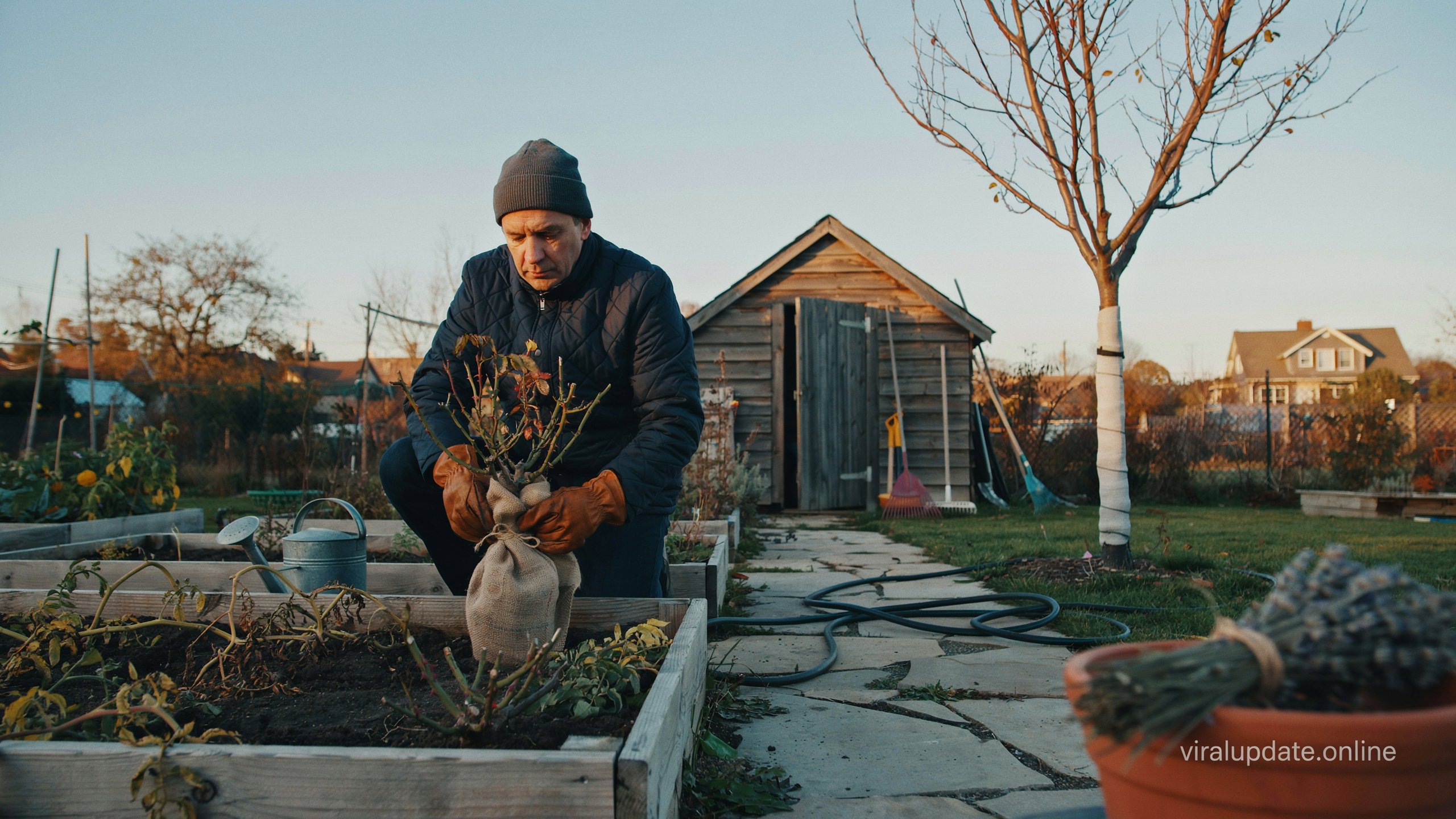
With temperatures now starting to drop in a lot of the USA, readying your garden for winter becomes one of the most important seasonal gardening jobs. Regardless of whether you deal with flowers, vegetables or herbs and shrubs, the key to preparing your garden for winter will aid in keeping your plants from freezing during times of low temperatures and give them a better start when spring arrives!
The end of the last harvest is that most beginner gardeners think their work ends. In fact, winterizing your garden correctly can help prevent damage to your plants, improve soil health, and save time in the growing season.
Winterizing your garden – This ultimate winterization guide includes step by step instructions, things to remember, common mistakes and expert recommendations!
Why Winterizing Your Garden Is Important
There are several advantages of making your garden ready for the cold period before winter
Protects Plants from Frost
All plants, including roots and stems, as well as young plants, are susceptible to damage if not protected from cold temperatures.
Improves Soil Health
Compost and mulch keep the nutrients in during winter.
Reduces Weed Growth
Get rid of weed which are still in your garden before the winter as that would prevent a lot of seeds to disperse.
Prevents Plant Diseases
Cleaning up diseased leaves and dead plants reduces the risk of pests and diseases coming back in spring.
Makes Spring Gardening Easier
And a garden that is well prepared does not as much work needs to be addressed once the growing period starts.
Best Time to Winterize Your Garden
The time frame is dependent on your regional climate, but most home gardeners can start in fall after the first light frost but before the ground freezes.
Signs it’s time include:
Most vegetables have finished producing.
Leaves begin falling.
Regular nighttime lows dip to less than 40 °F (4 °C).
Frost warnings become common.
Step-by-Step: How to Winterize Your Garden
Step 1: Remove Dead Plants
Clear Away Any Plants That are Done for the Season Pull out your vegetable plants that no longer want to live.
Eliminating dead plants prevents insects and diseases from riding out the winter.
Step 2: Clean Garden Beds
Remove:
Fallen leaves
Broken branches
Dead flowers
Plant debris
Having a clean garden means fewer pests.
Step 3: Test and Improve the Soil.
Autumn is a wonderful time to work on your soil.
Add:
Compost
Aged manure
Organic matter
Healthy soil yields better plants in the spring.
Step 4: Apply Mulch
Use mulch to cover bare soil with a 2–4 inch layer.
Good mulch materials include:
Straw
Wood chips
Pine needles
Shredded leaves
Mulch helps:
Protect plant roots
Retain soil moisture
Reduce temperature changes
Step 5: Prune Perennials Carefully
Remove stems that are damaged or dead.
Do not do heavy pruning on spring blooming plants yet.
But always check what the care needs are for each different type of plant.
Step 6: Protect Trees and Shrubs
Given harsh winters, extra protection may be necessary for young trees.
Use:
Tree wraps
Burlap covers
Protective fencing
This prevents frost damage and even animal feeding damages.
Step 7: Drain Irrigation Systems
If you run sprinklers or use a drip irrigation system, drain the line before freezing weather hits.
Pipes and hoses can burst because frozen water will expand.
Step 8: Store Garden Equipment
Before winter:
Clean garden tools
Sharpen blades
Oil metal parts
Store equipment indoors
To extend the lifespan of your gardening tools training and keeping them in good condition.
Plants That Need Extra Winter Protection
Certain plants cannot withstand colder environments.
Roses
After the first frost, cover this base in mulch.
Young Fruit Trees
Prevent damage from frost cracks and wildlife.
Herbs
Most herbs benefit from either mulching or bringing them indoors.
Potted Plants
Bring pumice containers into a garage, greenhouse or sheltered area.
Vegetable Gardens
Remove crops and cover the raised beds with mulch or compost.
Real-World Example
Every year Jennifer grows vegetables and perennial flowers in Minnesota.
She cleared dead tomato plants, enriched her raised beds with compost, mulched the soil with shredded leaves, and wrapped guards around her younger fruit trees before winter.
When spring arrived:
Her soil remained pure and fertile.
Fewer weeds appeared.
Most of her perennials were able to push out successfully.
A lot less time garden prepped for planting
It was a throwback to the basic autumn task that would build her garden more powerful next season and productive.
Common Mistakes to Avoid
Gardeners lose more plants than they save with these common, sometimes accidental, mistakes.
Leaving Dead Plants Behind
Insects and diseases are attracted to old plants.
Skipping Mulch
Moisture evaporates from bare soil, and temperature swings are larger.
Overwatering Before Winter
Surplus water may freeze around the roots of plants.
Heavy Fall Pruning
Not all shrubs and trees should be trimmed back until late winter or very early spring.
Forgetting Garden Tools
Next season, dirty tools may corrode or transmit disease.
Winter Garden Care Tips
Water Before the Ground Freezes
Before the plant goes into dormancy, it must be moisture.
Add Compost Every Fall
Winter Is When We Add Organic Matter and Love to Soil
Protect Wildlife-Friendly Plants
On specific flowers, leave seed heads as a food supply for birds.
Check Weather Forecasts
Get ready for extreme cold before the weather decides to take a turn for the worst, however.
Inspect Your Garden Occasionally
Following heavy snow or strong winds, look for damaged covers or broken branches.
Pros and Cons of Winterizing Your Garden
Pros
Protects Plants
Decreases the effects of frost damage and winter stress.
Improves Soil Quality
Organic material decomposes through out winter.
Saves Time in Spring
Less cleanup means earlier planting.
Reduces Pest Problems
Removing debris lowers insect populations.
Encourages Healthier Growth
Plants typically emerge from this nerve wracking procedure with stronger resolve during the spring following.
Cons
Takes Time
It takes several hours to prepare an entire garden.
Some Materials Cost Money
Mulch, compost and frost protection covers may make gardening more expensive.
Weather Can Be Unpredictable
Preparation time may be lessened with early freezes.
Not Every Plant Needs Protection
You have to use different methods for winter care depending on the plant.
Annual Maintenance Is Necessary
You should perform winterizing each year.
Frequently Asked Questions
Now is the time to Winterize your Garden
Timing this is key, and most gardeners need to wait until after the first light frost but before a solid frost has hit.
Am I supposed to remove all dead plants?
Yes. Delete any dead plants, as this will assist in decreasing pests and illnesses over the winter.
Is mulch necessary?
You are SUPER better off with mulch because it protects roots, collects moisture, and helps soil health.
Can I leave perennials outside?
Yes. Also most well mulched hardy perennials live through the winter.
Compost or organic matter added in late fall is usually better than fast-release fertilizer.
Conclusion
The best methods to protect your plants and prep for next years success is knowing how to winterize your garden! So cleaning your garden beds, soil improvement tips, mulching correctly, winter protection of sensitive plants and overall tool maintenance lead to a healthier landscape. Some preparation before winter arrives will mean less spring cleanup, healthier plants and a stronger and more productive garden in the warm months to come.